
Expert Biomass Boiler Installation in Essex
Replace volatile oil and LPG bills with carbon-neutral, high-temperature thermal efficiency. Operating from our central Essex base, our HETAS-certified engineers design and install premium, fully automated biomass systems tailored specifically for large rural homes, character period properties, and commercial agricultural premises—fully eligible for fully managed government grant funding.
CARBON-NEUTRAL THERMAL ENGINEERING
What is a Biomass Boiler & How Does It Work?
At its core, an automated biomass boiler operates similarly to a conventional gas or oil boiler—delivering high-temperature space heating and domestic hot water to your entire property. The critical difference lies entirely in the fuel source. Instead of burning finite, volatile fossil fuels, biomass systems utilise highly sustainable, carbon-neutral compressed wood pellets, logs, or wood chips.
When wood is burned, it only releases the exact amount of carbon dioxide it absorbed while growing as a tree, making a biomass boiler installation in Essex one of the most environmentally responsible ways to future-proof your heating network.

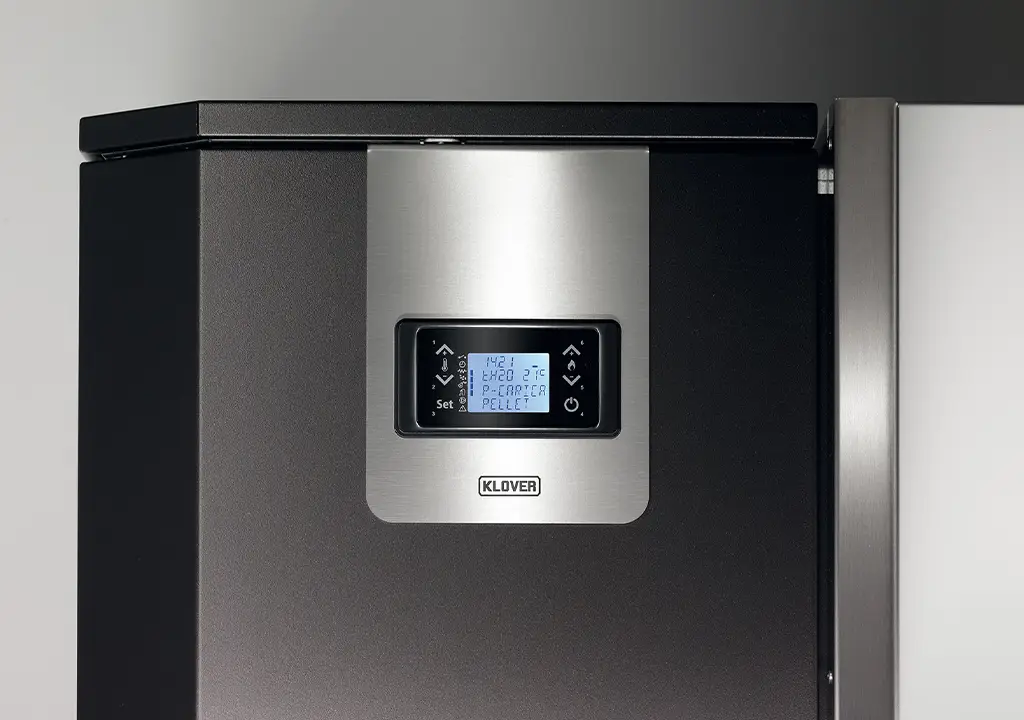
The Automation Factor
Many property owners assume that operating a solid-fuel system requires constant manual labour. Modern engineering has completely transformed this workflow.
The premium European systems we install feature fully automated fuel delivery networks. Premium wood pellets are stored in an adjacent hopper or bulk silo and automatically fed into the combustion chamber via a mechanical auger system based on your precise thermostat demands. With advanced self-cleaning heat exchangers and automated ash removal systems, managing your heating requires minimal user interaction.
Ready to See How Biomass Fits Your Property?
Every building is unique. Our HETAS-certified engineers conduct comprehensive heat-loss surveys to design a bespoke system tailored to your exact heating demands and grant availability.
Is a Biomass Boiler Right for Your Property?
While modern heat pumps are exceptional for well-insulated, modern buildings, certain properties require a much higher thermal output. High-temperature biomass boiler installations offer the ideal low-carbon alternative for expansive off-grid premises currently reliant on expensive oil, LPG, or direct electric heating.
01
Rural & Heritage Properties
Large character homes, barn conversions, and listed period properties often suffer from high heat loss that standard systems struggle to meet. A biomass boiler delivers the consistent, high-temperature water required to feed traditional cast-iron radiator networks without requiring disruptive, invasive insulation overhauls.
02
Farms & Business Premises
For agricultural settings, poultry farms, workshops, and commercial rural units, biomass engineering provides an incredibly cost-effective heating strategy. Utilising bulk-purchased fuel or wood waste allows commercial operations to drastically slash overheads while drastically lowering their corporate carbon footprint.
03
District Heating & RHI Systems
If you manage multiple properties on a single estate, a centralized biomass plant can distribute low-carbon heat to several buildings simultaneously via highly insulated underground district pipework. This reduces maintenance costs down to a single central boiler plant.
Why Invest in a Bespoke Biomass Installation?
Decouple from Volatile Fossil Fuel Markets
Unlike natural gas, oil, or LPG—where prices fluctuate wildly based on global market instability—biomass fuel remains highly stable and locally sourced. Whether your property is best suited for automated wood pellets, seasoned split logs, or bulk chip delivery, we configure your combustion network to access the most cost-effective local supply chains.


High-Temperature Performance Without Pipework Upgrades
One of the greatest challenges when retrofitting older Essex properties with low-carbon heating is the distribution temperature. Standard heat pumps output lower temperatures, often requiring expansive radiator upgrades. Modern biomass boilers deliver high-temperature outputs exceeding 70°C, allowing them to integrate seamlessly with your existing pipework and traditional cast-iron radiator networks without modification.
Your Path to Certified Biomass Efficiency
01
Precision Heat-Loss & Site Survey
We conduct a comprehensive, room-by-room heat-loss calculation of your Essex property to establish your precise kilowatt ($kW$) peak demand. Our engineers map out your delivery access, flue termination paths, and footprint requirements for the main fuel hopper or bulk storage silo.
02
Bespoke Hydraulic & Fuel Network Design
We specify the ideal automated system (pellet, log, or chip) matching your property type, pairing it with an appropriately sized thermal buffer tank. This acts as a giant battery for your hot water, ensuring the boiler burns smoothly at maximum efficiency while preventing short-cycling.
03
MCS-Certified System Installation
Our specialist engineers dismantle your old fossil-fuel infrastructure and install your new automated biomass boiler plant. We run precision-welded copper manifold pipework, integrate advanced electronic thermal controls, and install custom, high-durability flue extraction networks that pass all strict UK air-quality regulations.
04
Commissioning, Handover & Grant Sign-Off
We thoroughly pressure-test, fire up, and balance the entire system to ensure flawless operation. Once commissioned, we provide full operator training, hand over your official HETAS Certificate of Compliance, and process your Boiler Upgrade Scheme paperwork to deduct your approved grant funding directly from the final balance.
Common Questions Regarding Biomass Installations
Do I need planning permission for a biomass boiler in Essex?
In most domestic scenarios across Essex, biomass installations fall under Permitted Development rights. However, if your property is a Grade II listed building, located within a designated conservation area, or requires an external flue that exceeds the roof line by more than 1 metre, specialist consent may be required. Our engineering team handles full compliance and site assessments during the design phase.
How much physical space does the system require?
Biomass systems have a larger footprint than standard fossil-fuel boilers. You will need adequate plant room or outbuilding space to house the boiler unit, a thermal buffer tank (which stabilises heat distribution), and an adjacent dry storage area or external silo for fuel deliveries.
How often do the wood pellets or logs need delivering?
This depends entirely on your property’s annual heating demand and your storage capacity. For automated pellet systems with a bulk external silo, deliveries are typically required only 1 to 3 times per year via a specialized blown-pellet tanker. Log systems depend on your manual fuel-loading habits and local wood-sourcing logistics.
Transition Your Property to Carbon-Neutral Reliability
Take full control of your off-grid energy infrastructure. Contact our HETAS-certified engineering team today to schedule your comprehensive heat-loss survey and secure your fully managed government grant funding.